
Advantages and Disadvantages of Combined Heat and Power Systems
May 15,2026
With increasing public awareness of environmental sustainability, electricity production has inevitably become a hot topic globally. The use of fossil fuels for power generation has caused severe damage to the Earth’s environment, necessitating the search for more environmentally friendly alternative energy production methods.
Combined heat and power (CHP) is one of the best ways for businesses to reduce emissions, improve energy efficiency, and promote independent sustainable development. Therefore, the application of CHP is rapidly growing. This article will highlight the advantages and disadvantages of CHP that you need to know.
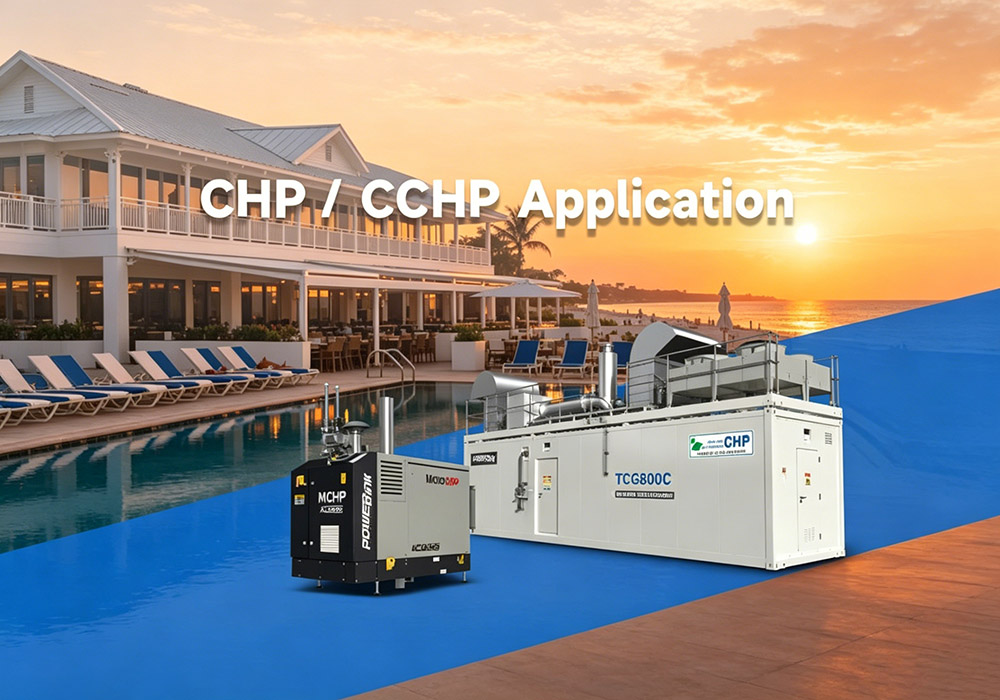
Combined Heat and Power: Advantages and Benefits
Cogeneration, also known as combined heat and power, helps facilities produce electricity and useful heat from the same fuel source. Instead of letting heat from power generation escape into the environment, a CHP system captures that heat and puts it to work.
For businesses with steady demand for both power and thermal energy, cogeneration offers three major advantages:
- Lower operating costs
- Reduced environmental impact
- Higher overall energy efficiency
Economic Benefits of Cogeneration
Cogeneration can help businesses reduce long-term energy costs by producing electricity on site and reusing recovered heat. For facilities with high utility bills, this can create a more stable and cost-effective energy strategy.
Lower electricity costs
A CHP system generates power close to where it is used. This allows the facility to purchase less electricity from the grid and reduce exposure to rising utility rates, demand charges, and peak pricing.
Reduced heating costs
Because cogeneration captures heat from the power generation process, the recovered thermal energy can be used for hot water, steam, space heating, drying, or industrial processes. This can reduce the need for separate boilers or heating equipment.
More predictable energy expenses
On-site generation gives businesses more control over their energy supply. This can help reduce the impact of grid price fluctuations and improve budgeting for energy-intensive operations.
Potential revenue from excess power
In some cases, a CHP system may produce more electricity than the facility needs. Depending on local utility rules, the surplus power may be sold back to the grid through a power purchase agreement or another energy contract.
Possible incentives and financial support
Some regions offer tax incentives, energy efficiency credits, renewable energy certificates, or other programs for qualified CHP projects. Facilities using renewable fuels such as biogas, biomethane, or biomass may have additional opportunities to improve project returns.
Environmental Benefits of Cogeneration
Cogeneration supports cleaner energy use by reducing fuel waste and lowering emissions per unit of useful energy. Since CHP systems produce electricity and heat from the same fuel source, they can reduce the amount of fuel needed compared with separate power and heating systems.
Lower carbon emissions
By using fuel more efficiently, cogeneration can reduce carbon dioxide and greenhouse gas emissions. This makes CHP a practical option for facilities working toward energy efficiency or sustainability goals.
Less wasted heat
Traditional power generation often releases a large amount of heat into the environment. Cogeneration captures that heat and uses it for productive applications such as heating, hot water, steam, or process energy.
Better use of renewable and waste fuels
CHP systems can be configured to run on renewable or low-carbon fuels such as biogas, biomethane, biomass, landfill gas, and certain industrial waste gases. This allows waste materials to be converted into electricity and useful heat instead of being discarded, flared, or sent to landfills.
Reduced grid transmission losses
Because cogeneration produces power close to the point of use, less electricity has to travel long distances through the grid. This helps reduce transmission losses and improves the overall efficiency of the energy supply.
Efficiency Benefits of High-Efficiency Cogeneration
The biggest technical advantage of cogeneration is that it gets more usable energy from the same fuel input. Instead of producing electricity and heat separately, a high-efficiency CHP system combines both functions into one process.
Higher fuel utilization
A conventional power system may waste much of the heat created during electricity generation. A CHP system recovers that heat and uses it on site, which improves total fuel utilization.
Reliable on-site energy
CHP systems can improve energy security because power is generated at the facility. Some systems can operate in island mode or black start mode, allowing them to continue supporting critical loads during grid outages.
Flexible fuel options
Depending on the system design, cogeneration units can run on natural gas, LPG, propane, biogas, biomethane, biomass, landfill gas, diesel, biodiesel, or hydrogen-ready fuel blends. This gives facilities more flexibility when choosing a fuel source.
Disadvantages of Combined Heat and Power
Cogeneration can be an efficient way to produce electricity and useful heat from the same fuel source, but it is not the right fit for every facility. Its value depends on how the site uses power, how much heat it needs, how often the system runs, and what fuel is available.
Limited Site Suitability
CHP works best when a facility needs both electricity and heat on a regular basis. If a site has little demand for hot water, steam, space heating, or process heat, much of the recovered heat may go unused.
This makes cogeneration a better match for hospitals, hotels, campuses, manufacturing plants, food processing facilities, greenhouses, wastewater treatment plants, and district energy systems. For sites that only need electricity, another power solution may be more practical.
Higher Upfront Cost
A cogeneration project usually requires more than the CHP unit itself. Costs may include engineering, heat recovery equipment, electrical interconnection, fuel treatment, controls, permitting, installation, and commissioning.
While CHP can reduce long-term energy costs, the initial investment can be difficult for smaller facilities. Before moving forward, businesses should review the full project cost, expected savings, available incentives, and payback period.
Heat and Power Demand Must Match
A CHP system needs the right balance between electrical demand and thermal demand. If the system produces more heat than the facility can use, efficiency drops. If it is sized too small, it may not deliver enough power or heat to justify the investment.
For the best results, the system should be sized based on actual operating hours, seasonal demand, daily load patterns, and future energy needs.
Environmental Benefits Depend on Fuel
Cogeneration is often more efficient than producing electricity and heat separately, but it is not automatically clean energy.
When CHP runs on biogas, biomethane, biomass, landfill gas, or other low-carbon fuels, it can reduce emissions and turn waste into useful energy. If it runs on diesel or other fossil fuels, the environmental benefits may be more limited.
Fuel choice plays a major role in the system’s carbon impact.
Maintenance and Compliance Requirements
CHP systems are more complex than standard boilers or basic standby generators. They require regular maintenance, system monitoring, heat exchanger inspections, oil and filter changes, cooling system checks, and trained service support.
Facilities may also need to meet local permitting, emissions, safety, and utility interconnection requirements.
Is Cogeneration the Right Fit for Your Facility?
CHP technology is a highly adaptable energy solution suited for both existing facilities looking to retrofit and new construction projects still on the drawing board.
However, determining whether a cogeneration plant is a viable, high-yield investment for your specific property depends on a distinct set of operational and financial variables. To evaluate your site’s potential, we recommend analyzing your operations against the following seven diagnostic questions:
If your operational reality aligns with any of the scenarios outlined above, initiating a preliminary feasibility study for a customized CHP solution is a highly valuable next step. Investing a small amount of time now to explore tailored cogeneration configurations can uncover massive, long-term cost-reduction strategies for your property.
--- END ---