POWERLINK

Blog

How Does a Natural Gas Generator Work?

Aug 29,2023

In today’s world where uninterrupted power supply is critical to every industry, business and even home, generators play a vital role. Among the many types of generators, natural gas generators are popular for their efficiency, cleanliness and reliability.

In this blog post, we’ll delve into the intricacies of how natural gas generators work, exploring their components, features, benefits, and factors to consider when determining the proper size for different applications.

Natural Gas Generator

What is Gas Generator?

We maintain a large inventory of high-quality natural gas generators ready for fast delivery across a wide range of applications. From generator selection and system design to installation and after-sales support, our team provides complete power solutions tailored to your project requirements.

A natural gas generator produces electricity by using natural gas as its primary fuel source. Compared with traditional diesel-powered systems, natural gas generators offer lower fuel costs, cleaner emissions, and quieter operation, making them a popular choice for commercial, industrial, and utility applications.

Natural gas is one of the most widely used fuels for power generation in the United States. Thanks to its availability, efficiency, and environmental advantages, natural gas continues to play a major role in supporting reliable power generation across the country.

Benefits of Natural Gas Generators

  • Lower fuel costs in areas with access to natural gas infrastructure
  • Reduced emissions compared to many diesel-powered systems
  • Reliable performance for prime, continuous, and standby power applications
  • Lower maintenance requirements and cleaner engine operation
  • Suitable for commercial, industrial, utility, and institutional facilities

Whether you need backup power for a critical facility or a continuous power solution for industrial operations, our natural gas generator systems can be customized to meet your specific power requirements.

Components of a Natural Gas Generator

A natural gas generator is a complex system that converts the chemical energy stored in natural gas into electricity.

To accomplish this task, several key components work together:

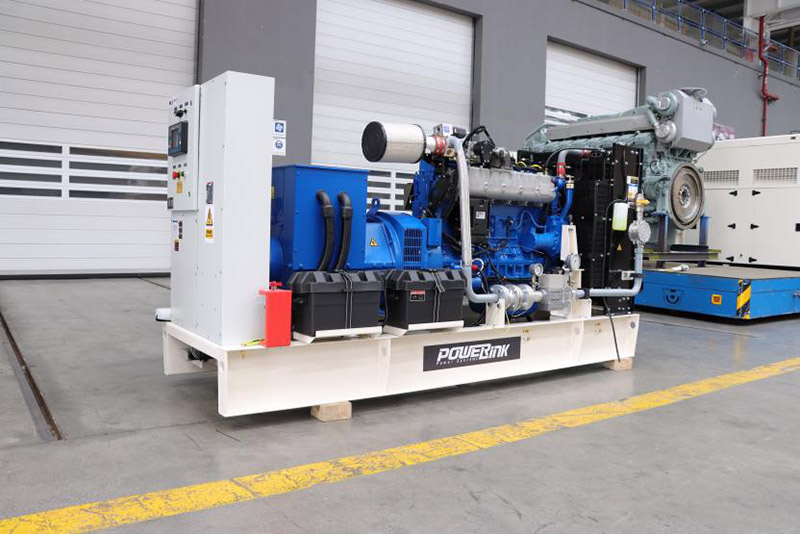
Engine: The heart of a natural gas generator is the internal combustion engine. The engine works similarly to a car engine, but is modified for continuous power generation. Natural gas engines are specifically designed to handle the properties of natural gas, such as its high methane content.

Alternator: Also known as the generator end, the alternator is responsible for converting the rotational energy from the engine into electricity. It contains a rotor and a stator, and the interaction between a rotating magnetic field and a stationary coil induces a current.

Fuel System: The fuel system is designed to deliver a controlled amount of natural gas to the engine combustion chambers. It usually includes components such as gas regulators, fuel control valves and injectors. Modern natural gas generators often employ electronic fuel injection systems for precise control.

Cooling System: Generators generate a lot of heat during operation and require a cooling system to maintain an optimal operating temperature. The system typically includes a radiator, cooling fan, and thermostat.

Exhaust System: The exhaust system directs the combustion gases away from the engine. Additionally, it may include catalytic converters to reduce emissions and ensure compliance with environmental regulations.

Control Panel: The Control Panel contains the generator’s control unit and manages its various functions. These controllers monitor parameters such as voltage, frequency and load to ensure stable generator operation.

How a Natural Gas Generator Works?

How a Natural Gas Generator Works

The operation of natural gas generators can be divided into several key steps:

Intake: The engine draws in ambient air through the intake system.

Compression: Air is compressed within the engine cylinders, increasing its pressure and temperature. Compression is a critical step in the combustion process as it prepares the air for the introduction of fuel.

Fuel Injection: Natural gas is injected into the combustion chamber in a controlled manner. This gas is mixed with compressed air.

Lgnition: The spark plug ignites the air-fuel mixture. The burning mixture expands rapidly, producing high-pressure gases.

Power stroke: The expansion of the gas forces the piston inside the cylinder to move. This motion translates into rotational motion, which drives the engine’s crankshaft.

Power generation: As the engine’s crankshaft spins, it turns the alternator’s rotor, creating a rotating magnetic field. This magnetic field induces a current in the stator coils, which generates electricity.

Exhaust: After the power stroke, exhaust gases exit the combustion chamber through the exhaust system.

Cooling and Lubrication: Throughout the process, the engine’s cooling system ensures that temperatures remain within safe limits. The lubrication system also ensures the smooth operation of moving parts.

Types of Natural Gas Generators

Natural gas generators are generally classified into two main categories: **standby generators** and **prime generators**. Each type is designed for different operating conditions and power requirements.

Standby Natural Gas Generators

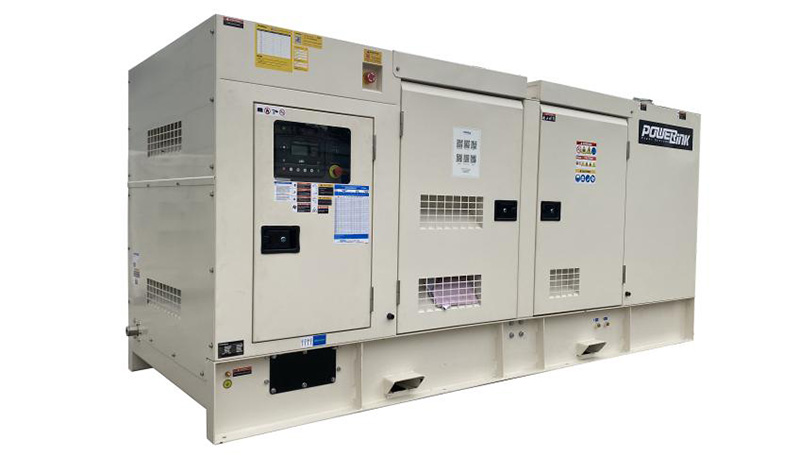
Standby generators are the most common type of natural gas generator used in residential, commercial, and industrial applications. These systems are permanently installed and connected directly to the local natural gas supply.

When a utility power outage occurs, the generator automatically starts and supplies backup power to critical equipment and systems. Once utility power is restored, the generator shuts down and returns to standby mode.

Because standby generators are intended for emergency backup power only, they are not designed to operate continuously for extended periods. Prolonged operation can increase wear on components and may lead to more frequent maintenance requirements.

One of the key advantages of a natural gas standby generator is its virtually unlimited fuel supply. Since natural gas is delivered through underground pipelines, fuel is continuously available without the need for on-site storage tanks or refueling. Unlike diesel fuel, natural gas does not degrade over time, making it a reliable long-term backup power solution.

Prime Natural Gas Generators

Prime generators are designed to serve as the primary source of electricity when utility power is unavailable or inaccessible. In these applications, the generator supplies all of the power required by the facility.

Prime power systems are commonly used at construction sites, remote industrial facilities, oil and gas operations, mining projects, and other locations where grid power is limited or unavailable.

Unlike standby generators, prime generators are built to operate for extended periods and handle varying electrical loads throughout the day. They feature more robust designs and higher-duty components to support continuous operation under demanding conditions.

Continuous Power Generators

Continuous power generators are a specialized type of prime generator. While both are designed for long operating hours, continuous power generators are engineered to run at a constant load for an unlimited number of hours each year.

Prime generators, on the other hand, are designed to handle fluctuating load demands over extended periods. This flexibility makes them suitable for applications where power requirements change throughout the day.

Understanding the differences between standby, prime, and continuous power generators is essential when selecting the right natural gas generator for your specific application and operating environment.

Benefits of Natural Gas Generators

Benefits of Natural Gas Generators

Natural gas generators have numerous advantages that contribute to their widespread adoption:

Cleaner emissions

Natural gas is a relatively clean-burning fuel compared to diesel or gasoline. It produces less pollutant emissions such as nitrogen oxides and particulate matter.

Cost-effectiveness

Natural gas prices are generally more stable than diesel or gasoline. This results in more predictable operating costs over the lifetime of the generator.

Efficiency

Due to the properties of natural gas and advanced engine technology, natural gas engines can achieve high levels of efficiency.

Quiet operation

Compared to diesel generators, natural gas generators are quieter and suitable for a variety of environments, including residential areas.

Quick start and response

Natural gas generators can start and reach full power output quickly, which is critical in scenarios requiring immediate backup power.

Environmental considerations

Lower natural gas emissions help reduce environmental impact and can help organizations meet sustainability goals and regulatory requirements.

Advantages and Disadvantages of Natural Gas Generators vs. Diesel Generators

As we mentioned earlier, the biggest competitor to natural gas backup generators is the diesel generator. Let’s compare these two types of generators and see their respective advantages and disadvantages:

Storage: Diesel fuel has a maximum storage life of only 24 months, and large-scale storage is very costly. Natural gas generators do not require refueling. Advantage: Natural Gas

Cost: Natural gas generator sets have lower purchase costs, and natural gas itself is the cheaper of the two fuels, but installation costs are higher due to the need to lay natural gas pipelines. Diesel generators generally have a longer lifespan and require less maintenance, resulting in lower operating costs over their lifespan. (Slight) Advantage: Natural Gas

Safety: Diesel is the least flammable of all generator fuels, while a ruptured natural gas pipeline can easily lead to an explosion. Advantage: Diesel

Ease of Use: Both types of generators can start smoothly in cold environments, but diesel generators are not suitable for humid environments. Diesel generators also have the risk of “wet buildup,” where unburned fuel enters the exhaust system due to prolonged operation of the engine below its design operating temperature. Natural gas generators do not have this problem. Advantages: Natural Gas

Efficiency: Natural gas generators burn clean fuel with virtually no emissions, but diesel generators are more efficient and can provide more usable electricity than the same amount of natural gas. Advantages: Diesel

Environmental Impact: While natural gas generators also emit carbon dioxide, diesel exhaust is a well-known toxic air pollutant. Natural gas generators also produce less noise pollution. Learn why natural gas generators are an environmentally friendly choice. Advantages: Natural Gas

Determining the Size of a Natural Gas Generator

Properly sizing a natural gas generator is critical to ensuring it can meet the power demands of the intended application.

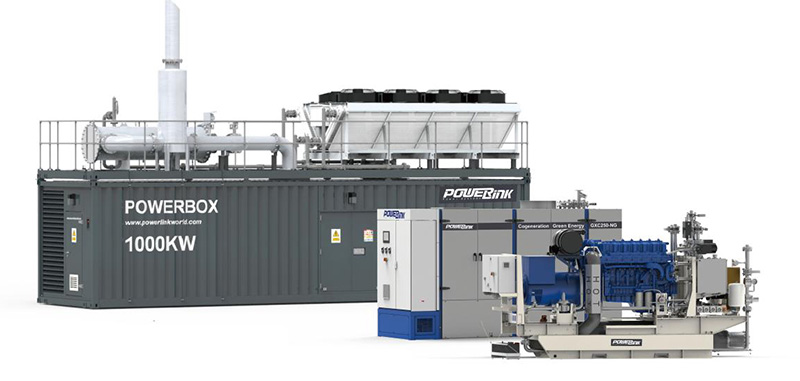
Determining the Size of a Natural Gas Generator

Here are the key factors to consider:

Power Requirements:

Start by evaluating your home or business’s power needs. Calculate the total wattage required to run essential appliances, equipment, and systems during a power outage. This will help you determine the required output power of the generator in kilowatts (kW).

Load type:

Different appliances and equipment have different starting and operating power requirements. Some equipment, such as air conditioners and motors, require a higher initial surge to start. Make sure to account for these changes in your calculations.

Single Phase or Three Phase:

Determine if your facility requires single or three phase power. Single-phase power is common in homes and small businesses, while larger industrial applications often use three-phase power.

Efficiency of the generator:

Consider the efficiency of the generator at different load levels. Generators are most efficient when they are running at around 70-80% of their maximum capacity. Oversizing a generator can result in inefficient operation at low loads.

Future Growth:

Anticipate any potential increase in electricity demand due to business expansion or additional equipment. In general, it’s a good idea to plan for some extra capacity.

Local codes and regulations:

Check local building codes and regulations that may dictate maximum allowable generator sizes or emission standards.

Precautions for natural gas installation

Precautions for natural gas installation

Installing a natural gas generator is an investment in the future success of your company. To ensure you reap all the benefits of this environmentally friendly, energy-efficient solution, make sure you’re prepared to take on any challenge, including:

Fuel supply issues:

Being connected to a local gas line provides the advantage of a reliable fuel supply. However, it’s important to consider that during natural disasters or extreme temperatures, there may be increased demand for natural gas from numerous businesses and households in your area. This could potentially strain the availability of this energy source.

Location:

When installing a generator, it is crucial to consider the fuel availability in your area. While some regions like Texas and North Dakota are abundant in natural gas, certain parts of the Northeast face seasonal gas shortages. If you intend to install a natural gas generator in an area susceptible to such shortages or natural disasters, it is vital to have a contingency plan in order to ensure preparedness at all times.

Maintenance needs:

Maintenance for natural gas generators is more frequent compared to diesel generators, resulting in higher service costs over a shorter period of time. This is primarily because natural gas generators require spark ignition. However, if you still prefer the advantages of a natural gas model, it is advisable to schedule maintenance during planned outages. This way, you can minimize downtime and resume operations promptly.

Maintenance needs

Conclusion

A natural gas generator is a dependable and effective option for ensuring power continuity during blackouts and in various scenarios. By comprehending the constituents of a natural gas generator, its operational procedure, and the benefits it offers, individuals and businesses can make well-informed choices when selecting a backup power alternative.

Accurately determining the appropriate size of a generator is an essential aspect of guaranteeing its ability to meet present and future energy requirements in a competent and effective manner. With advancements in technology, natural gas generators are poised to become more sophisticated, thereby offering an even more appealing solution for dependable power generation.

--- END ---