Advantages and Disadvantages of Natural Gas Generators vs. Diesel Generators
As we mentioned earlier, the biggest competitor to natural gas backup generators is the diesel generator. Let’s compare these two types of generators and see their respective advantages and disadvantages:
Storage: Diesel fuel has a maximum storage life of only 24 months, and large-scale storage is very costly. Natural gas generators do not require refueling. Advantage: Natural Gas
Cost: Natural gas generator sets have lower purchase costs, and natural gas itself is the cheaper of the two fuels, but installation costs are higher due to the need to lay natural gas pipelines. Diesel generators generally have a longer lifespan and require less maintenance, resulting in lower operating costs over their lifespan. (Slight) Advantage: Natural Gas
Safety: Diesel is the least flammable of all generator fuels, while a ruptured natural gas pipeline can easily lead to an explosion. Advantage: Diesel
Ease of Use: Both types of generators can start smoothly in cold environments, but diesel generators are not suitable for humid environments. Diesel generators also have the risk of “wet buildup,” where unburned fuel enters the exhaust system due to prolonged operation of the engine below its design operating temperature. Natural gas generators do not have this problem. Advantages: Natural Gas
Efficiency: Natural gas generators burn clean fuel with virtually no emissions, but diesel generators are more efficient and can provide more usable electricity than the same amount of natural gas. Advantages: Diesel
Environmental Impact: While natural gas generators also emit carbon dioxide, diesel exhaust is a well-known toxic air pollutant. Natural gas generators also produce less noise pollution. Learn why natural gas generators are an environmentally friendly choice. Advantages: Natural Gas
Why Choose a Used Natural Gas Generator?
If you’re in the market for an industrial power solution, a used natural gas generator can be a practical and cost-effective option. High-quality refurbished generators often deliver reliable performance while offering several key benefits:
Convenience: If your facility is already connected to a municipal natural gas pipeline, installing a natural gas generator is straightforward. The generator receives a continuous fuel supply directly from the gas line, eliminating the need to monitor fuel levels, refill storage tanks, or arrange fuel deliveries.
Environmental Benefits: Purchasing a used generator extends the service life of professionally refurbished equipment, reducing unnecessary waste and maximizing the value of existing resources. It’s an environmentally responsible choice that supports more sustainable equipment utilization.
Cost Savings: A used generator can significantly reduce your initial investment without sacrificing reliability. Refurbished units are typically available at substantially lower prices than new equipment, allowing businesses to save as much as 70% compared to purchasing a brand-new generator.
Which Natural Gas Generator Is Best for Your Needs?
Once you’ve decided to use natural gas as your power source, the next step is selecting a generator that best matches your operational requirements. To identify the most suitable and efficient natural gas generator for your business, consider the following key specifications:
Emission Rating: Emission compliance is an important factor when choosing a natural gas generator. The U.S. Environmental Protection Agency (EPA) has established increasingly stringent emission standards over the years to reduce air pollution and minimize the environmental impact of power generation equipment. Different generator categories are subject to different regulatory requirements, so it’s essential to choose a model that complies with the latest EPA emission standards. If your business operates in states with stricter environmental regulations, look for generators that are certified by the California Air Resources Board (CARB).
Phase: Natural gas generators are typically available in either single-phase or three-phase configurations. Although both generate alternating current (AC), single-phase generators supply one AC waveform and are generally suitable for residential or light commercial applications. Three-phase generators produce three synchronized AC waveforms, delivering smoother, more consistent power and are better suited for industrial facilities and heavy-duty equipment.
Size: Selecting the correct generator capacity is essential for reliable operation. A generator that is too small may become overloaded, which can reduce performance, damage both the generator and connected equipment, and even create potential safety hazards such as electrical fires. Carefully calculating your total power demand will help ensure you choose a generator with sufficient capacity for both current and future needs.
Soundproof Enclosure:
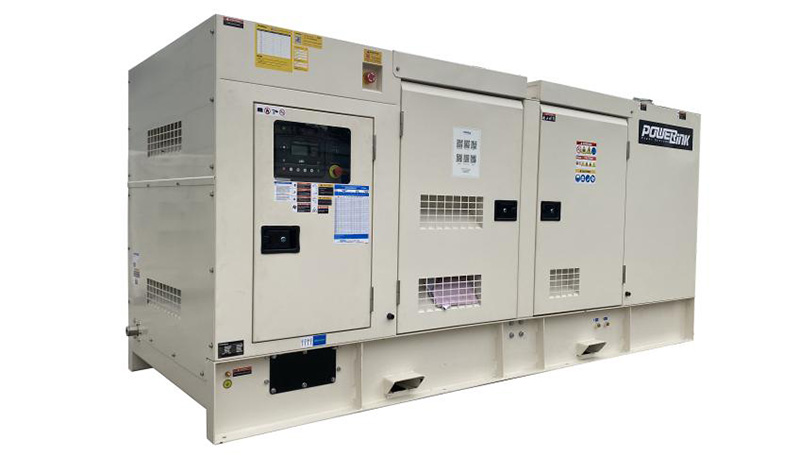
Although natural gas generators generally operate more quietly than many other generator types, noise reduction may still be an important consideration in certain environments. Continuous exposure to excessive noise can affect workplace comfort and may even pose hearing risks over time. A soundproof enclosure helps minimize operating noise by surrounding the generator with acoustic insulation, making it an ideal option for installations in residential areas, hospitals, schools, hotels, offices, or any location where low noise levels are required.
Determining the Size of a Natural Gas Generator
Properly sizing a natural gas generator is critical to ensuring it can meet the power demands of the intended application.