
How to use a portable generator?
Jan 26,2024
Unlike home backup generators, which are permanently wired and automatically turned on when needed, portable generators can be taken with you and easily replaced.
Don’t wait until the next power outage to learn how to use a small portable generator. For generators powered by gasoline, diesel, or any type of fuel, make sure you have an adequate supply of fuel on hand.
General steps for using a gas or diesel generator are listed below, but always follow the generator manufacturer’s usage and power instructions. In this article, we’ll discuss how to connect a generator to your home and operate it safely.
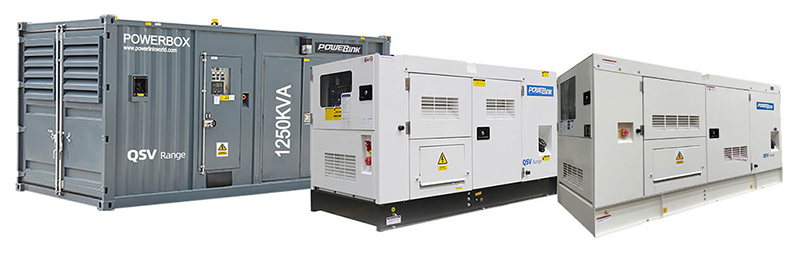
Introduction to Portable Generators
Portable generators provide efficient, reliable power, playing an invaluable role in situations where power supplies are limited or unreliable.
Portable generators are designed to be easily transported and can be used in a variety of settings, including construction sites, outdoor events, and emergencies. They typically run on gasoline, diesel, or propane and have an engine that converts the fuel into electricity.
One of the main advantages of a portable generator is its versatility. They can power a variety of appliances and devices, including power tools, lights, refrigerators, and even medical equipment. This makes them critical for businesses, homeowners and organizations that need access to power in remote areas or during power outages.
Understanding The Different Types of Portable Generators
There are many types of portable generators, each tailored to specific needs.
An overview is as follows:
Inverter generators: Known for their quiet operation and clean power output, inverter generators are ideal for sensitive electronic equipment. They adjust engine speed to meet power demands and improve fuel efficiency.
Conventional generators: These are conventional generators that provide a stable supply of electricity. While they are generally less expensive than inverter generators, they may produce more noise and are better suited for powering basic appliances and tools.
Dual-fuel generators: Dual-fuel generators offer the flexibility to run on both gasoline and propane. This versatility allows users to select a fuel source based on availability, cost or specific requirements.
Solar generator: Solar generators harness the energy of the sun, and are environmentally friendly and quiet. They consist of solar panels and batteries to store energy and are suitable for camping, outdoor activities or as a backup power source.
Hybrid generators: Hybrid generators combine different energy sources such as solar, wind and traditional fuels to provide a variety of power generation options. This approach enhances reliability and sustainability.
Emergency backup generators: Designed to power essential equipment during a power outage, these generators automatically start up when the main power source fails. They provide a seamless transition to keep critical systems operational.

How Does a Generator Work?
Generators play a vital role in providing power in situations where reliable power may not be available, such as during a power outage or in remote areas. The type of generator (AC or DC) and its specific application may vary based on design and intended use.
Portable generators work on the principle of electromagnetic induction to convert mechanical energy into electrical energy, typically relying on natural gas to start the process (although you can also find diesel and propane units).
There are five main components of a generator: an internal combustion engine, an alternator, a starter, a fuel tank, and an outlet.
Safety Considerations When Using A Portable Generator
Carbon Monoxide Safety
As with most small engine machines, generators emit high levels of carbon monoxide (CO).
We cannot stress enough the importance of never operating a generator in enclosed spaces such as garages, utility buildings, sheds (even with the door open), basements, or anywhere else where carbon monoxide can accumulate to dangerous levels.
This poses a serious health and safety risk that should not be taken lightly.
In addition to these measures, it is essential to position the exhaust vent of the generator away from the house. If possible, align the generator’s location with the direction of the prevailing wind so that it remains downwind of the house. To ensure maximum security, use high-strength chains and padlocks to secure the generator in place.
Fuel Quality and Safety
It is strongly advised to refrain from refuelling a thermal generator near any heat source, such as a heater or grill.
Additionally, fuel containers should never be stored near the generator. It is important to note that the muffler on the generator can reach high temperatures that may cause plastic to melt.
Ensure continuous fuel supply by purchasing fuel in bulk and using a fuel stabilizer to prevent its degradation.
Once the emergency has subsided, take precautionary measures such as draining the carburettor and fuel lines, as well as removing any residue caused by spoiled fuel. These steps will help facilitate the smooth operation of your generator when needed.
Weather Safety
Individuals have ingeniously constructed different cobblestone structures to safeguard their generators from adverse weather conditions such as wind, rain, and snow. It is essential to ensure that these shelters are sturdy enough to withstand potential collapse or toppling.
Additionally, it is crucial to maintain a minimum distance of five feet between the generator and its surroundings to prevent overheating and mitigate the risk of fire.
For added convenience during inclement weather, you can explore purchasing specially designed generator covers that allow for safe operation.
Operational Safety: Make a Test Run
The only way to ensure your system is functioning properly is to give it a thorough test run as soon as you set it up. Don’t wait for an emergency, do a full test run when everything is normal and calm.
Steps For Setting Up And Operating A Portable Generator
Choose the Right Location
Place the generator outdoors in a well-ventilated area. Ensure it is positioned away from doors, windows, and vents to prevent the buildup of carbon monoxide.
Ground the Generator
Use a grounding rod to properly ground the generator. This helps prevent electrical shock and ensures safe operation.
Fueling the Generator
Turn off the generator and allow it to cool before refueling. Use the recommended fuel type and store fuel in approved containers. Do not overfill the tank.
Connect Devices
Start by connecting devices to the generator using outdoor-rated extension cords. Ensure the cords are in good condition and have the appropriate wattage capacity.
Start the Generator
Follow the startup procedure outlined in the manual. This often involves turning the fuel valve on, switching the ignition to the “on” position, and pulling the starter cord or using the electric starter.
Final Thoughts
As mentioned above, some many procedures and precautions need to be followed when operating a portable generator. Our advice is to stick with a well-known generator brand. This doesn’t guarantee that power quality issues won’t occur, but it does increase the likelihood that one will.
PowerLink is dedicated to producing top-notch products that are both high-quality and environmentally friendly. With our headquarters in the United Kingdom, we have established a branch office and warehouse in Florida, USA, to better serve the needs of customers in North America and Latin America.
Our goal is to provide efficient delivery services for all our valued customers in these regions. To learn more information, feel free to contact us at info@powerlinkworld.us.
--- END ---