
Air Compressors: Powering Productivity in Modern Industry
Oct 25,2025
Air compressors are the unsung heroes of industry. In this blog post, we’ll explore how air compressors work, the different types you’ll encounter, how to choose the right model for your needs, and how PowerLink’s air compressor products meet this market demand.
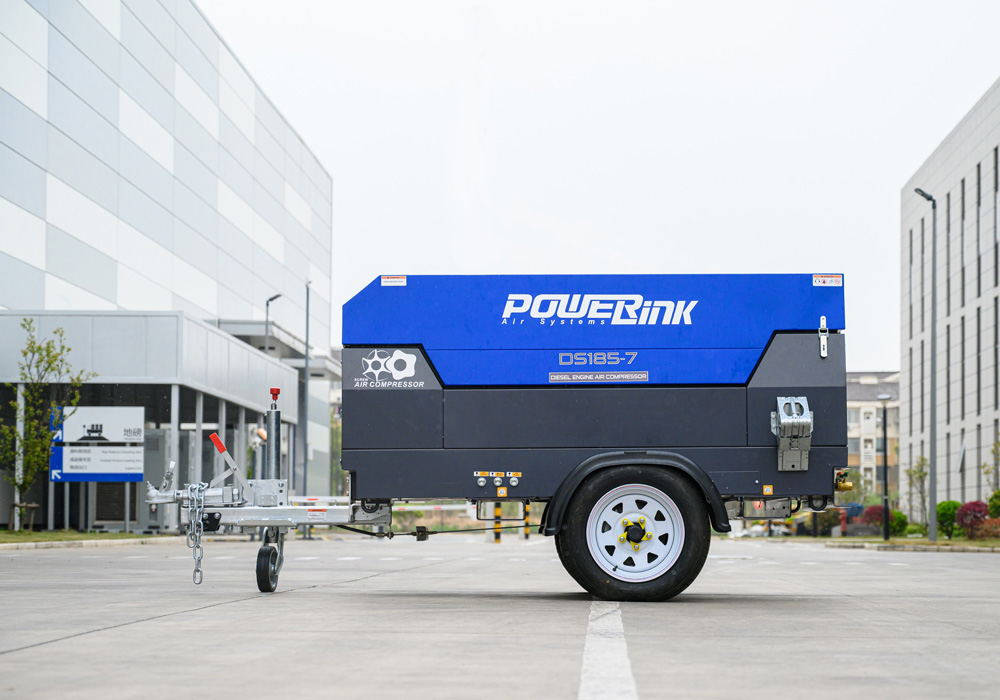
What is an Air Compressor and why does It Matter?
At its simplest, an air compressor is a machine that takes in ambient air, raises its pressure by reducing its volume, stores that compressed air in a tank or system, and then uses it as a source of energy to drive tools, systems, or processes.
Why is this so important? Compressed air is one of the most flexible power mediums in modern manufacturing and service industries. It’s clean (no sparks or electrical risk inherent in many pneumatic systems), it’s immediate, and tools powered by compressed air can be lighter, more durable, and more compact than their electric counterparts.
According to industry sources, air compressors support up to 70 % of manufacturing operations in the United States, spanning sectors like automotive, food & beverage, pharmaceuticals, and heavy industry.
In short: if productivity, uptime and efficiency are important to you, the right air compressor matters.
How Do Air Compressors Work?
Understanding the mechanics helps you pick the right machine and maintain it properly. Here’s a breakdown of the typical process:
- Intake → Compression → Storage → Delivery
- Air is drawn into the compressor.
- The machine increases air pressure by reducing its volume (either through pistons, screws, vanes or dynamic airflow).
- The compressed air is stored in a tank or system until needed.
- When a tool or system demands air, the compressor delivers it at the set pressure, driving the tool or system.
Key Components & Control Mechanisms
- Motor or engine driver: provides the mechanical power.
- Compression chamber & mechanism (piston, screw, vane, etc.).
- Storage tank or buffer.
- Pressure switch, regulator and control panel.
- An outlet and piping system to deliver the compressed air.
- Drain and maintenance features (to remove moisture and contaminants).
Knowing these parts and how they interact helps you evaluate performance, reliability, and efficiency when comparing models.

Types of Air Compressors: Which One Fits Your Application?
Not all air compressors are created equal. Different mechanisms suit different needs—from light workshop usage to heavy industrial continuous operation. Here are the major categories:
Positive Displacement vs Dynamic Compressors
Positive displacement machines physically trap a volume of air and compress it by reducing its volume.
Dynamic compressors increase air velocity and convert that into pressure (more common in very large systems).
Common Types in Industry
Reciprocating (piston) compressors: Good for intermittent duty, moderate pressure.
Rotary screw compressors: Ideal for continuous operation, large-scale industrial use; quieter and more reliable in heavy duty applications.
Rotary vane, scroll, axial and centrifugal types: Each has niche applications (e.g., ultra-clean air, high volume, special pressure regimes).
What’s the right type for you?
If you’re running a small workshop and occasionally powering a nail gun or tire inflator, a reciprocating compressor might suffice. But if you’re operating a production line, constantly driving multiple tools or processes, you need a compressor built for continuous duty—like a screw or large displacement machine.
Selecting the Right Air Compressor
When evaluating compressors (including those offered by PowerLink), consider these key factors:
Duty cycle: Does the compressor need to run continuously or intermittently? Many piston machines aren’t designed for 100 % duty.
Pressure and flow requirements: Determine what PSI and SCFM (or CFM) your pneumatic tools or systems require.
Air quality & contamination: If you’re in food, beverage or pharmaceuticals, you need oil-free or speciality designs.
Energy efficiency: Compressed air is expensive, so energy rating, motor efficiency, and idle losses matter.
Maintenance and reliability: Simpler machines may cost less, but downtime costs can exceed savings.
Space, noise, and environmental factors: Do you have space for a large machine? Are there noise restrictions?
Total cost of ownership: Consider purchase cost, energy consumption, maintenance, parts, and lifespan.
By aligning these criteria with your actual operational needs, you’ll avoid overpaying for excess capacity or undersizing your system and risking frequent stoppages.
PowerLink’s Air Compressor Solutions
At PowerLink, our air compressor offering is designed with industry in mind—whether you’re upgrading an existing setup or installing a new system from the ground up. Though each application is unique, our solutions emphasise reliability, efficiency and adaptability.
What sets PowerLink apart?
- Engineered for industrial duty: units built to operate in harsh environments and demanding workloads.
- Multiple types and sizes: enabling alignment with almost any pneumatic demand profile.
- Service and support network: ensuring preventive maintenance and rapid parts access, minimising downtime.
- Focus on air quality: for sectors where oil carry-over or contamination cannot be tolerated.
Whether you’re powering assembly lines, pneumatic tools, cleaning systems, or any application where compressed air is your utility, our compressors are built to perform.

Practical Tips for Operation & Maintenance
Even the best compressors won’t deliver their full potential without proper operation and upkeep.
Here are some top tips:
- Drain the air tank of condensation regularly to prevent rust and water build-up (which damages piping and tools).
- Monitor and maintain correct belt tension, filter cleanliness and air intake conditions.
- Keep intake vents unobstructed and ensure ambient air is cool, clean and dry.
- Follow manufacturer-recommended lubricant and oil change schedules (especially important in screw compressors).
- Track duty cycle and load: avoid running a compressor far above or below its ideal load as it reduces efficiency and life.
- Always protect your compressor from extreme weather, dust, moisture—it will lengthen life and optimize performance.
- A little preventive maintenance goes a long way in maximizing uptime and reducing lifecycle costs.
Conclusion
From powering dental tools and spray booths to driving massive manufacturing systems, air compressors are the silent backbone of countless operations. Understanding how they work, choosing the right type, and maintaining them properly makes a huge difference in productivity and cost.
At PowerLink, we meet those needs with solutions tailored to the industrial-grade demands of modern operations. If your site depends on reliable compressed air, let us show you how our systems can deliver performance you can count on.
--- END ---